
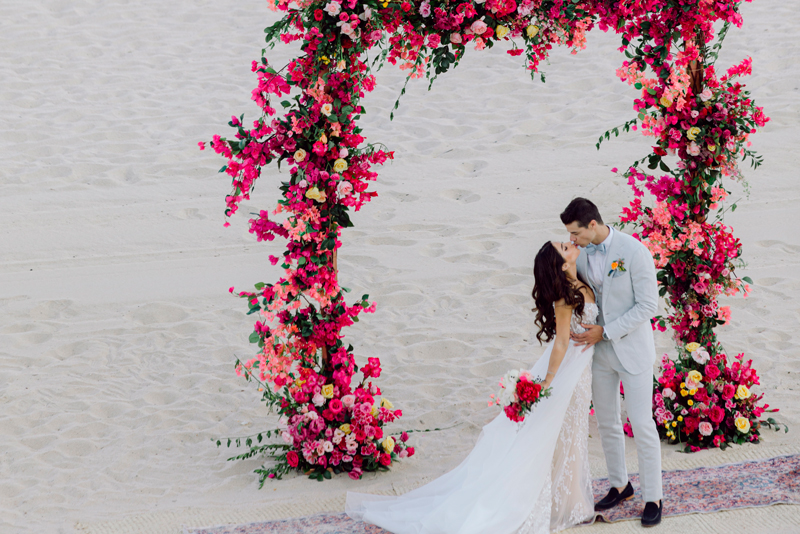
Having worked as a wedding and event planner for over 20 years, my career has always been rooted in creating meaningful, well-designed celebrations. Over the past few years, I’ve discovered a new passion for learning and exploring floral design, which has added an entirely new layer to how I approach events. Understanding wedding flower trends and flowers as a design element—rather than simply décor—has allowed me to create more cohesive experiences, where planning, space, and atmosphere come together seamlessly.
For destination weddings, floral design has become far more than decoration. In 2026, flowers act as a connective element, bringing together space, setting, and atmosphere to shape how a celebration is experienced. Rather than existing in isolation, florals are increasingly integrated into the overall design of the event, helping the venue, the environment, and the guest experience feel aligned and intentional.
Through my work and continued education in floral design, I’ve seen how valuable it is to understand flowers not only for their beauty but for their role within a space. Composition, balance, and movement are just as important as color or flower choice. Below are some of the wedding flower trends shaping celebrations in 2026.
Sculptural Forms and Organic Movement

Floral design continues to move away from rigid symmetry and predictable shapes. In 2026, arrangements feel softer, more fluid, and often asymmetrical. The focus shifts from perfection to balance and movement.
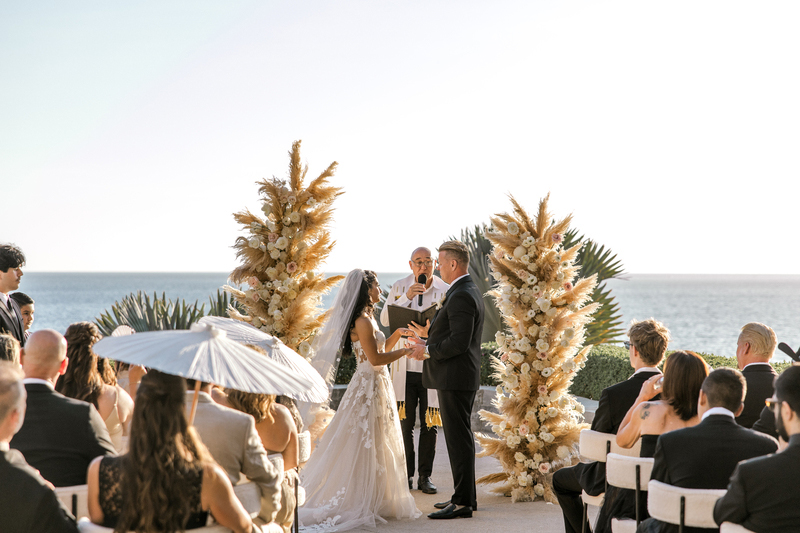
Arches appear lighter and more architectural. Installations may grow naturally from the ground or feel suspended within the space. Floral compositions tend to follow the lines of the venue rather than competing with them, creating designs that feel calm, intentional, and connected to their surroundings.
Monochromatic Palettes with Nuance

Working within a single color family remains popular, but the approach has become more layered and refined. Rather than flat monochromatic looks, designers explore tonal variation, texture, and depth.
Soft blush moves into dusty rose and deeper mauve. Warm neutrals transition from sand to caramel to terracotta. These palettes feel elegant and timeless, allowing form and composition to stand out without overwhelming the space.
READ: Choosing the Ideal Wedding Color Scheme: Expert Advice for a Flawless Palette
Immersive Floral Environments

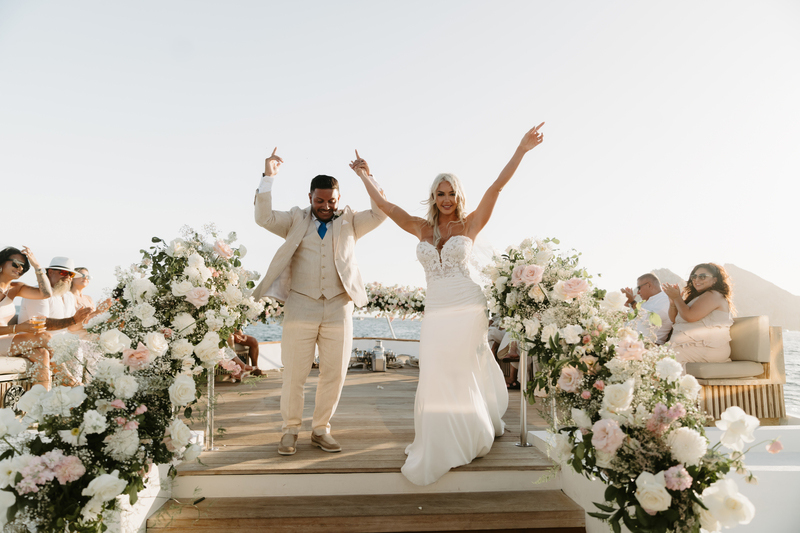
Florals are no longer limited to tabletops or isolated moments. In 2026, they increasingly help define the setting as a whole. Ceiling installations, suspended elements, sculptural aisle designs, and grounded focal points guide guests through the space.
The intention is immersion, not excess. A few well-placed elements can transform a venue and create a sense of continuity throughout the celebration.
READ: How to Choose a Wedding Venue: Expert Tips from a Wedding Planner to Find the Perfect Spot!
Sustainability as a Design Consideration

Sustainability continues to influence floral design as an ongoing consideration rather than a trend. Couples are more aware of sourcing, seasonality, and materials, leading to a greater use of seasonal flowers, reusable structures, foam-free techniques, and a thoughtful balance between fresh and preserved elements.
These decisions support both the design process and environmental awareness, without compromising aesthetics.
Textural Elements Beyond Flowers

Another subtle evolution in floral design is the inclusion of additional natural elements. Branches, foliage, and structured botanicals may be used to add texture and depth.
These elements are never required. They are part of the designer’s toolkit and are used only when they support the overall aesthetic. Good design is as much about restraint as it is about creativity.
Color with Depth and Warmth

Color palettes in 2026 feel grounded and confident. Earth tones continue to be present, often paired with richer accent colors such as olive, terracotta, muted yellow, deep burgundy, or soft lavender.
These palettes work especially well for destination weddings, where natural light and landscape influence how color is perceived throughout the day.
Minimalism with Presence

Alongside immersive installations, there is a growing appreciation for simplicity. Minimal floral design is not about doing less, but about choosing carefully.
A single stem in a sculptural vase, a refined bouquet, or a restrained tablescape can feel powerful when proportion and placement are considered. Space becomes part of the design, allowing each element to breathe.
Architectural Flowers and Strong Silhouettes
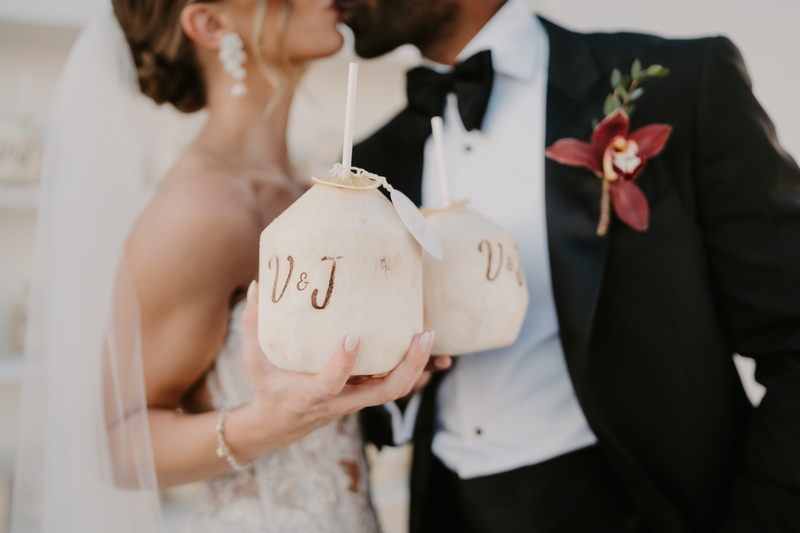
Flowers with distinctive shapes are receiving more attention. Protea, anthuriums, sculptural orchids, and other architectural blooms are often used to anchor designs and provide structure.
They bring visual strength and work well in both bold compositions and more understated settings.
Final Thought
Wedding floral design in 2026 is about connection. Connection between flowers and space. Between design and planning. Between atmosphere and experience. When done well, flowers don’t simply decorate a wedding—they quietly become part of the memory.
Our approach is highly personalized, ensuring that your wedding design is a true reflection of your style and dreams. Visit our Instagram account @floralstudiobymomentos to enjoy more of our floral design!
For couples who value design, atmosphere, and thoughtful details, floral design is never an afterthought. If this approach resonates with you, let’s start a conversation.
Frequently Asked Questions
How do you approach floral design for destination weddings?
Floral design always begins with the setting. Light, climate, architecture, and the flow of the event inform every design decision, ensuring the florals feel natural within the space.
Do you design weddings based strictly on trends?
No. Trends are reference points, not rules. Each design reflects the couple, the destination, and the atmosphere they want to create.
How do you manage floral design in warm climates?
Flower selection, mechanics, and installation timing are carefully planned from the early stages of design, always considering climate conditions.
Why is floral knowledge important for a wedding planner?
Understanding floral design helps align planning, spatial layout, and visual continuity, allowing the entire event to feel cohesive.
Do you incorporate non-floral elements into your designs?
Sometimes. Branches, foliage, fruits, vegetables, rocks or structured botanicals may be used when they add depth and character and support the overall design.
What defines wedding floral design in 2026?
Rather than one defining trend, 2026 is shaped by thoughtful choices—sculptural forms, immersive environments, refined palettes, and a strong relationship between florals and space.



0 Comments